
Sauces & Condiments
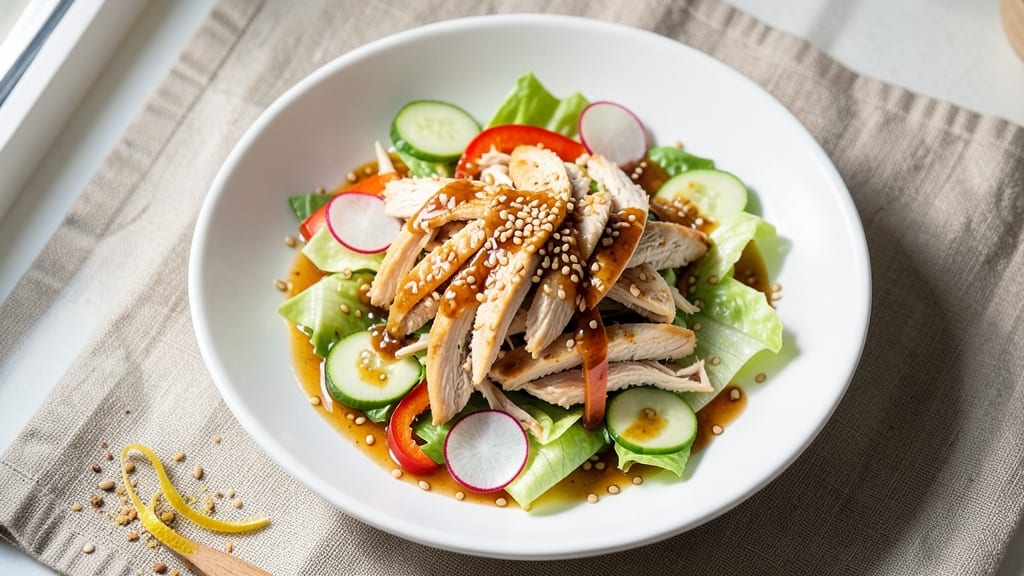
This Asian chicken salad sesame dressing recipe transforms ordinary greens into a restaurant-worthy dish with just a few simple ingredients. The nutty depth of toasted sesame oil blends seamlessly with tangy rice vinegar and savory soy sauce, creating a velvety drizzle that clings perfectly to crisp toppings.
I developed this recipe after struggling to find a dressing that balanced umami richness with bright acidity—now it's my go-to for any Asian-inspired salad.
The magic happens in the emulsification process, where we combine warm ingredients with a touch of honey or sugar to create a silky texture that won't separate. Unlike store-bought versions, this dressing stays vibrant for up to a week in the fridge, making it ideal for meal prep.
The sesame seeds add both texture and aroma, while a splash of lime juice ensures freshness that cuts through rich ingredients like grilled chicken or crunchy noodles.
What makes this dressing truly special is its versatility—it elevates not just salads but also wraps, grain bowls, or even as a marinade for proteins. The nutty-savory profile complements both delicate greens and hearty toppings, while the subtle sweetness from the honey balances the saltiness of soy.
Once you taste this homemade version, store-bought dressings will never satisfy again.
Ready in just 10 minutes, this dressing requires no special equipment beyond a whisk or small bowl. The ingredients list is short but powerful, with each component playing a crucial role in creating that perfect harmony of flavors.
Whether you're prepping for a week of lunches or adding flair to a last-minute dinner, this sesame dressing delivers professional-quality results with minimal effort.
Ingredients for asian chicken salad sesame dressing
Eight simple ingredients create a velvety sesame dressing that elevates any Asian-inspired dish.
| Ingredient | Amount | Notes |
|---|---|---|
| Toasted Sesame Oil 🫒 | ¼ cup | High-quality, nutty aroma |
| Rice Vinegar 🍶 | ¼ cup | Seasoned or unseasoned |
| Soy Sauce 🥢 | ¼ cup | Light or dark variety |
| Honey 🍯 | 2 tbsp | Or agave for vegan option |
| Toasted Sesame Seeds 🌾 | 2 tbsp | For texture and aroma |
| Fresh Lime Juice 🍋 | 2 tbsp | Brightens the dressing |
| Garlic Cloves 🧄 | 2 cloves | Minced for subtle flavor |
| Ginger Root 🌿 | 1 tsp | Freshly grated, zesty kick |
| Water 💧 | 2 tbsp | For thinning consistency |
| Salt 🧂 | ½ tsp | Adjust to taste |
The toasted sesame oil is the heart of this dressing—look for dark, nutty varieties at Asian markets or the international aisle of major grocery stores like Trader Joe's or Whole Foods. If you can't find it, toast regular sesame oil in a pan until fragrant, then cool before using. The sesame seeds should be toasted separately for maximum aroma; buy them pre-toasted if you're short on time, but fresh is always better. For the soy sauce, any light or dark variety works, but Kikkoman or Lee Kum Kee are reliable choices. The rice vinegar should be seasoned if available—it adds a subtle depth that unseasoned can't match.
No sesame oil? Toasted peanut oil or avocado oil works in a pinch, though the flavor will differ slightly. Running low on honey? Maple syrup or agave nectar keeps it vegan-friendly. The ginger can be substituted with 1/2 teaspoon ground ginger if fresh isn't available, but fresh is far superior. For the garlic, if you don't have fresh, 1/2 teaspoon garlic powder is a decent swap, though it lacks the same complexity. If your dressing seems too thick, add 1 teaspoon water at a time until it reaches a pourable consistency—this is especially useful when prepping ahead.
This dressing keeps beautifully in an airtight jar in the fridge for up to 1 week, though it often disappears faster. For longer storage, freeze individual portions in ice cube trays—thaw and whisk before use. The lime juice is the only ingredient that may lose potency over time, so if you notice a dull flavor, squeeze in a bit more fresh. The sesame seeds can be toasted fresh each time you use the dressing to keep that nutty crunch. Portion into small containers for easy grab-and-go lunches or meal prep.
Why You'll Love This Recipe
- Five-Ingredient Magic: I swear by this dressing—just swirl together toasted sesame oil, rice vinegar, soy sauce, honey, and sesame seeds. No blender, no straining, just a quick whisk and you’ve got a flavor bomb that transforms basic chicken salad into something restaurant-worthy.
- Umami in a Jar: That combo of soy sauce and toasted sesame oil? It’s the secret weapon. The honey cuts the salt just enough to keep it bright, while the sesame seeds add a nutty crunch that makes every bite feel like a little flavor celebration.
- Lunchbox or Dinner Party: Honestly, this dressing works everywhere. Toss it with shredded chicken for a quick lunch, drizzle it over noodles for dinner, or even use it as a marinade. I’ve even poured it over steamed veggies when I’m in a rush—it’s that versatile.
- Budget-Friendly Luxury: Sesame seeds and toasted sesame oil might sound fancy, but they go a long way. A little goes far, and you’ll use it up before it spoils. Plus, soy sauce and rice vinegar are pantry staples that won’t break the bank—this dressing is basically free flavor.
Step-by-step instructions for Asian chicken salad sesame dressing
This nutty, umami-packed dressing comes together in minutes with simple techniques.
Mince Aromatics for Maximum Flavor
Use a sharp knife to finely mince the 2 cloves garlic and 1 tsp ginger root. I like to smash the garlic cloves with the flat side of my knife first to make them easier to chop, then mince into tiny pieces. The goal is to create a paste-like consistency that will fully dissolve into the dressing. If you're using a food processor, pulse these together briefly—just until combined, not pureed.
Freshly minced garlic and ginger release their essential oils when combined with the oil, creating that signature aromatic punch. Don't skip this step—pre-minced garlic lacks the same depth of flavor. Set the minced aromatics aside in a small bowl while you prepare the other ingredients.
Whisk Wet Ingredients to Emulsify
In a medium bowl, combine the 0.25 cup toasted sesame oil, 0.25 cup rice vinegar, 0.25 cup soy sauce, 2 tbsp honey, 2 tbsp fresh lime juice, and 2 tbsp water. Using a whisk, combine these ingredients vigorously for 30-45 seconds until fully incorporated. The mixture should look smooth and slightly syrupy.
This is where the magic happens—the balance of sweet, tangy, and savory flavors begins to meld. The honey helps emulsify the oil and vinegar, while the lime juice brightens the whole mixture. If you notice any separation at this stage, don't worry—it will come together when you add the aromatics next.
Incorporate Aromatics and Season
Add the minced garlic and ginger to the wet ingredients, along with the 0.5 tsp salt. Whisk continuously for another 20-30 seconds until the aromatics are fully dissolved. The dressing should now have a smooth, cohesive texture with no visible flecks of garlic or ginger. Taste and adjust the seasoning if needed—you might want to add a touch more soy sauce for saltiness or honey for sweetness.
Here's the thing—this dressing tastes even better after it sits for 10-15 minutes at room temperature. The flavors have time to fully develop and meld together. If you're in a hurry, you can proceed, but letting it rest improves the final result significantly.
Finish with Toasted Sesame Seeds
Just before using, stir in the 2 tbsp toasted sesame seeds. These add both visual appeal and a nutty crunch that contrasts beautifully with the smooth dressing. I like to gently fold them in rather than whisking, as I want to preserve their texture. The seeds should be evenly distributed throughout the dressing.
This dressing keeps well in an airtight container in the refrigerator for up to 5 days, though I always make fresh batches when possible. The sesame seeds will settle to the bottom, so give it a quick stir before drizzling over your Asian chicken salad. The dressing should coat the back of a spoon with a glossy sheen, indicating proper emulsification.
Pro Tips For Making Asian Chicken Salad Sesame Dressing
- WHISK IN STAGES: Start with the vinegar and soy sauce, then slowly drizzle in the honey—this keeps the dressing from turning cloyingly sweet right away. I used to dump everything in at once, and the flavors would fight instead of blend.
- TOAST SEEDS SEPARATELY: Skip tossing sesame seeds into the dressing while it’s hot—you’ll end up with bitter, burnt bits. Instead, toast them fresh in a dry pan over medium heat for 30 seconds until fragrant, then sprinkle on top right before serving.
- BALANCE THE OIL: Toasted sesame oil is potent—use only ½ teaspoon at first, then add more if you’re craving depth. I’ve ruined dressings by overdoing it, and the result tastes like a lamp left on too long.
- CHILL BEFORE SERVING: Let the dressing sit in the fridge for 10 minutes after mixing. The flavors meld better when slightly cooled, and you’ll avoid that sharp, unbalanced bite that happens when you serve it straight from the whisk.
Wine and beer pairings for these flavors
Crisp White Wine
For this sesame dressing, I recommend a dry Riesling or Pinot Grigio from Italy—both wines have bright acidity that mirrors the dressing's tangy rice vinegar. The crispness cuts through the richness of sesame oil beautifully, cleansing your palate with each bite.
Look for a 2022 Italian Pinot Grigio from Alto Adige or a German Riesling Kabinett for that perfect balance of sweetness and acidity. 🍷
Light Asian Lager
A Japanese Sapporo or Asahi Super Dry complements the umami depth of the dressing without overpowering it. The subtle hop bitterness in these lagers enhances the sesame notes while keeping the meal refreshing.
For a local option, try a crisp American lager like Bud Light or Coors Banquet—they won't clash with the dressing's flavors. 🍺
Sparkling Sake
If you're feeling adventurous, serve your salad with sparkling sake—it adds an elegant effervescence that pairs wonderfully with the nutty dressing. Brands like Suntory Tokkuri or Kubota Nigori offer that perfect balance of sweetness and dryness.
The bubbles help cleanse your palate between bites of chicken and greens, making each mouthful feel fresh. 🥂
Herbal Tea Pairing
For a non-alcoholic option, try jasmine green tea or hojicha—both teas complement the sesame notes without competing. The floral notes in jasmine tea enhance the dressing's aromatic qualities, while hojicha's roasted flavor adds a subtle depth. Brew a light cup to avoid overpowering the salad's delicate flavors. ☕
Sweet Riesling
If you prefer something slightly sweeter, a Moscato d'Asti or off-dry Riesling works beautifully with the honey in the dressing. The natural sweetness balances the soy sauce's saltiness, creating a harmonious flavor profile. Try a Washington State Riesling for a local option with excellent sweetness levels. 🍇
Nutrition facts
Frequently asked questions
Can I make this sesame dressing without sesame oil?
Yes! For a nutty flavor without sesame oil, use 2 tablespoons toasted peanut oil or avocado oil instead. Reduce the total oil to 0.2 cup to maintain balance. The texture will be slightly different but still delicious. For extra depth, add 1 teaspoon extra soy sauce to compensate for the missing sesame aroma.
How do I fix a dressing that separated?
Separation happens when oil and vinegar don't emulsify properly. Whisk in 1 teaspoon honey or corn syrup to help bind the ingredients, then add 1 tablespoon water at a time while whisking vigorously. For stubborn separation, place the dressing in a blender and pulse briefly to recombine. Store in an airtight container and give it 10 minutes to settle before using.
What's the best way to store leftover dressing?
Transfer to an airtight glass jar and refrigerate for up to 5 days. The sesame seeds will settle, so stir before using. For longer storage, freeze in 1-tablespoon portions in ice cube trays—thaw and whisk to restore texture. Avoid freezing with sesame seeds if you prefer their crunch. Label with the date to track freshness.
Can I use this dressing on other dishes besides salad?
This versatile dressing works beautifully on grilled chicken skewers, rice bowls, noodle salads, or even as a marinade for tofu or shrimp. For marinades, reduce the vinegar to 2 tablespoons and add 1 teaspoon grated ginger for extra zing. The nutty-sweet profile enhances both savory and slightly sweet dishes.
Why does my dressing taste too salty?
Adjust the balance by adding 1 teaspoon honey or lime juice to counteract the saltiness. If you prefer a less salty version, reduce the soy sauce to 2 tablespoons initially. For a milder flavor, dilute with 1 tablespoon water while whisking. Taste as you go—small adjustments make a big difference!