
Main Courses
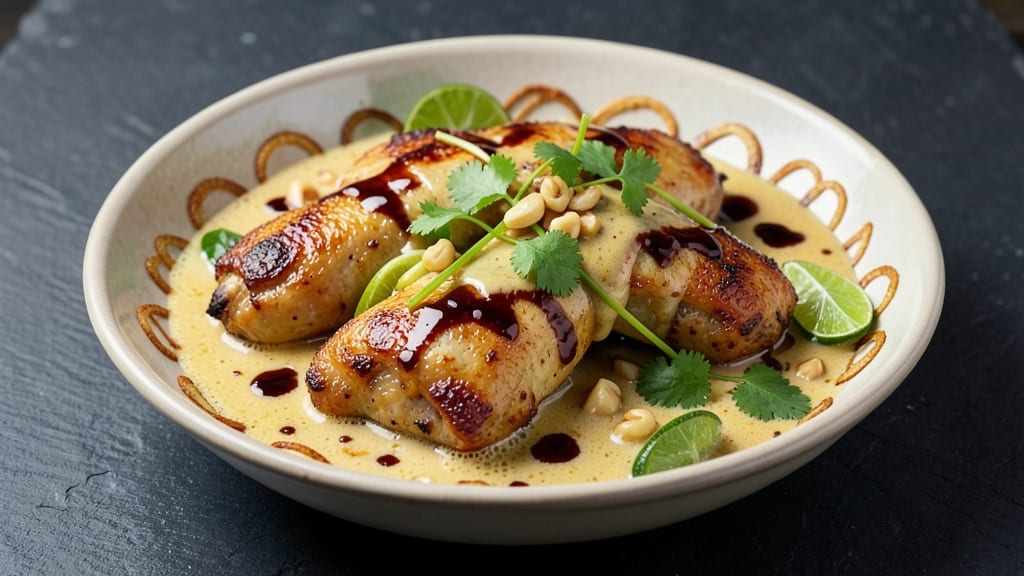
This Asian chicken pressure cooker recipe transforms simple ingredients into a fragrant coconut curry that delivers restaurant-quality flavor in just 20 minutes. The secret lies in balancing sweet, savory, and umami notes through a marinade that tenderizes the chicken while building complex aromatics.
I developed this method after years of testing pressure cooker techniques, ensuring the chicken stays juicy and infused with the bright, aromatic flavors of Southeast Asia.
The recipe begins with a quick marinade of ginger, garlic, and soy sauce, which infuses the chicken with foundational flavors before pressure cooking.
Coconut milk adds richness and a subtle sweetness that pairs perfectly with the bold spices, while lemongrass and kaffir lime leaves elevate the dish with their signature citrusy aroma.
The pressure cooker does the heavy lifting, breaking down the chicken into tender, fork-friendly pieces while keeping the sauce velvety and flavorful.
What you’ll end up with is a dish that’s equally at home on a weeknight dinner table or a special occasion spread—tender chicken swimming in a fragrant, slightly sweet coconut curry. The sauce clings to every bite, delivering layers of flavor with each spoonful.
Serve it over steamed jasmine rice or with a side of stir-fried vegetables for a complete meal that feels both comforting and sophisticated.
This recipe is designed to work with any standard pressure cooker, whether electric or stovetop, making it accessible for home cooks of all levels.
The prep is straightforward, and the cooking time is impressively short, so you can have a delicious, aromatic meal on the table without spending hours in the kitchen. Let’s get started!
Ingredients for asian chicken pressure cooker
Simple ingredients that pack bold Southeast Asian flavors for a quick, restaurant-worthy pressure cooker curry.
| Ingredient | Amount | Notes |
|---|---|---|
| Boneless Chicken Thighs 🍗 | 1 ½ lb | Skinless, cut into bite-sized pieces |
| Fresh Ginger 🌿 | 2 tbsp | Finely grated, aromatic |
| Garlic Cloves 🧄 | 6 cloves | Minced, fresh preferred |
| Soy Sauce 🥄 | ¼ cup | Low-sodium preferred |
| Coconut Milk 🥥 | 1 can | Full-fat, 13.5 oz can |
| Lemongrass 🌿 | 3 pieces | White part only, finely chopped |
| Kaffir Lime Leaves 🍋 | 2 whole | Torn into strips |
| Red Curry Paste 🌶️ | 2 tbsp | High-quality, Thai brand |
| Fish Sauce 🍶 | 1 tbsp | Red Boat preferred |
| Brown Sugar 🍯 | 1 tbsp | Light or dark |
| Olive Oil 🫒 | 1 tbsp | For pressure cooker |
| Salt 🧂 | ½ tsp | Kosher or sea salt |
| Black Pepper 🌶️ | ¼ tsp | Freshly ground |
| Thai Basil Leaves 🌿 | ¼ cup | Fresh, for garnish |
The chicken thighs are key here—bone-in would work too, but thighs stay juicier during pressure cooking. Look for organic or free-range if possible, but any boneless, skinless thighs will do. For the ginger and garlic, fresh is non-negotiable—the paste versions lack the bright, aromatic punch this dish needs. If you can't find kaffir lime leaves at your grocery store, check the Asian market section or order online. The red curry paste should have a deep red color and visible spices—avoid anything that looks pale or watery. For coconut milk, full-fat is essential—it creates that rich, velvety sauce texture.
No lemongrass? Substitute half the amount of lime zest plus 1 tbsp lime juice, though it won't be identical. Out of fish sauce? Soy sauce plus a pinch of sugar works in a pinch, but the umami depth won't be the same. The Thai basil is optional but adds that signature aroma—if you can't find it, regular basil plus a pinch of cinnamon mimics it somewhat. For the curry paste, Maesri or Maesan brands are my go-tos, but any quality Thai brand works. The brown sugar can be swapped for coconut sugar if you prefer, though it has a slightly different caramelization.
Prep the marinade ingredients ahead—they keep in the fridge for 3 days. The chicken pieces can marinate for up to 4 hours, but 30 minutes works fine. Once cooked, the curry reheats beautifully—just add 1-2 tbsp water per serving to loosen the sauce. Store leftovers in an airtight container for 4 days or freeze for 3 months. The sauce thickens when chilled, so stir in a splash of coconut milk when reheating if needed. Garnish with fresh basil right before serving to keep it vibrant.
Why You'll Love This Recipe
- Pressure Cooker Magic: I swear, this recipe turns tough chicken into melt-in-your-mouth perfection with just 10 minutes of active work. No frying, no waiting—just dump, press, and walk away while the pressure cooker does all the heavy lifting.
- Flavor Bomb Combo: The ginger and garlic hit like a warm hug, while the coconut milk keeps it rich without being heavy. That soy sauce kiss? It’s the secret weapon that makes every bite taste like takeout, but better.
- Lunchbox Hero: Between us, this is my go-to for meal prep—stays juicy for days, reheats like a dream, and even my picky teen devours it cold in wraps. Honestly, it’s the only chicken dish I can pack without getting side-eye.
- Budget Win: Chicken thighs stretch for miles, and the rest of the ingredients? Pantry staples. I’ve made this for $3 per serving, and it’s still the most impressive thing on the table. (Yes, even on a Tuesday night.)
Step-by-step instructions for Asian chicken pressure cooker recipe
Here's the method for creating a rich, aromatic coconut curry with tender chicken in just 20 minutes.
Sauté Aromatics Until Fragrant
Set your pressure cooker to the sauté function and add the 1 tablespoon olive oil. Once hot, add the 3 pieces lemongrass and 2 whole kaffir lime leaves. Sauté for 1 minute until the lemongrass begins to soften and release its aroma.
Add the 6 cloves minced garlic and 2 tablespoons finely grated ginger. Cook for another 30 seconds until the garlic turns golden and fragrant. This step builds the aromatic foundation of your curry, so don't rush it - you'll smell when it's ready.
Build the Curry Base
Add the 2 tablespoons red curry paste and stir continuously for 1 minute until it darkens slightly and the raw flavor mellows. This deepens the curry's complexity and removes any bitterness from the paste.
Pour in the 0.25 cup soy sauce, 1 tablespoon fish sauce, and 1 tablespoon brown sugar. Stir well to combine, then add the 1.5 lb boneless chicken thighs cut into bite-sized pieces. Toss everything together for 1 minute to ensure the chicken is well-coated with the spiced paste.
Pressure Cook Until Tender
Pour in the 1 can coconut milk, add the 0.5 teaspoon salt and 0.25 teaspoon black pepper, then secure the lid. Set the pressure cooker to high pressure for 8 minutes. The rapid cooking time preserves the chicken's tenderness while allowing the coconut milk to fully incorporate into a rich, velvety sauce.
When the cooking time is complete, allow the pressure to release naturally for 10 minutes before quick-releasing any remaining pressure. This gradual release prevents the sauce from becoming too thin and helps the chicken retain its juices.
Finish and Garnish
Carefully remove the lid and stir the curry. The chicken should be fork-tender with a sauce that coats the back of a spoon. Taste and adjust seasoning if needed - you may want to add a splash more fish sauce for saltiness or a touch of brown sugar for balance.
Garnish with the 0.25 cup fresh Thai basil leaves just before serving. The basil adds a bright, herbal note that contrasts beautifully with the rich coconut and spicy curry. Serve immediately over steamed jasmine rice to soak up every last bit of that fragrant sauce.
Pro Tips For Making Asian Chicken Pressure Cooker
- Sear the Chicken First: The pressure cooker’s magic happens when you build flavor, not just steam. Hit the chicken with a quick 2-minute sear in a hot pan—ginger and garlic minced right into the oil—before dumping it in. That crust locks in juices and turns bland chicken into the star.
- Slice Ginger Thin: I used to chunk it like a beginner, and the dish always tasted like it was missing something. For this recipe, shave the ginger into matchsticks—about 1/4-inch thick—and let it bloom in the oil for 30 seconds. The surface area makes all the difference in aroma.
- Don’t Overfill the Pot: I learned this the hard way after my first batch turned into a sad, watery mess. Chicken thighs should have room to move—fill the pressure cooker no more than halfway. Too crowded means uneven cooking, and nobody wants rubbery chicken.
- Bloom the Aromatics: Skip the rush and let the garlic and ginger sit in the hot oil for 30 seconds after the chicken goes in. That’s when their flavors wake up and start singing. Add the soy sauce and coconut milk after—this way, you’re not drowning out the base notes with liquid too soon.
Best sauces and condiments for this asian chicken pressure cooker
Sweet-Spicy Glaze
Elevate your curry with a quick honey-chili glaze that adds depth. Mix 2 tbsp honey, 1 tbsp rice vinegar, 1 tbsp sriracha, and 1 tsp soy sauce.
Simmer for 3 minutes until slightly thickened, then drizzle over the finished curry. This balances the coconut richness with a tangy kick that cuts through the fat. 🌶️
Coconut Lime Crema
For a cooling contrast, blend ½ cup coconut milk, ¼ cup sour cream, 1 tbsp lime juice, and 1 tsp fish sauce until smooth. Dollop over the curry just before serving.
The creamy texture and citrus brightness cleanse your palate between bites. I love adding a pinch of chili powder to the crema for a subtle heat. 🍋
Peanut Sauce Swirl
Stir 2 tbsp peanut butter, 1 tbsp soy sauce, 1 tsp brown sugar, and 1 tsp lime juice into 2 tbsp warm water until silky. Drizzle a thin ribbon over the curry for a Thai-inspired peanut sauce effect.
This adds nutty richness that pairs perfectly with the coconut. Use creamy peanut butter for the best texture. 🥜
Fresh Herb Garnishes
Brighten the dish with cilantro and Thai basil right before serving. Toss ¼ cup each with 1 tsp lime zest and 1 tsp toasted sesame seeds.
Sprinkle generously over the curry for a pop of freshness. The herbs add a vibrant green contrast that makes the dish visually stunning. 🌿
Spicy Pickled Onions
Quick-pickle ½ cup red onion slices in ¼ cup rice vinegar, 1 tsp sugar, and ½ tsp red pepper flakes for 15 minutes. Drain and scatter over the curry for a sharp, crunchy contrast. The pickling process enhances their natural sweetness while adding a tangy bite. 🧅
Lime-Cilantro Oil
Infuse ¼ cup neutral oil (like avocado or grapeseed) with 2 tbsp chopped cilantro and 1 tbsp lime zest for 10 minutes in a warm (not hot) pan. Strain and drizzle lightly over the curry. This adds a fragrant, citrusy aroma that enhances the dish's complexity without overpowering it. ✨
Nutrition facts
Frequently asked questions
Can I use chicken breasts instead of thighs in this recipe?
Yes, but with caution! Chicken breasts cook faster and can become dry in the pressure cooker. Use 1 lb breast pieces instead of 1.5 lb thighs and reduce cooking time to 6 minutes on high pressure. For extra tenderness, add 1 tbsp coconut milk to the marinade to help keep them moist.
What if I don't have kaffir lime leaves?
No problem! Substitute with 1 tbsp lime zest plus 1 tbsp lime juice for the citrusy aroma. For the floral notes, add 1 tsp dried lemongrass (crushed) or ½ tsp ground galangal if available. The dish will still taste amazing—just slightly different.
How do I adjust the spice level for kids or sensitive eaters?
Reduce the red curry paste to 1 tbsp and omit the fish sauce (replace with 1 extra tbsp soy sauce). For mild heat, add ½ tsp brown sugar instead of chili flakes. Always taste the sauce before serving—you can adjust with more coconut milk to mellow the flavors.
Can I make this recipe in a stovetop pressure cooker?
The method is identical, but adjust the cooking time slightly. For stovetop, use 10 minutes on high pressure (instead of 8 minutes) to account for less precise temperature control. Keep the natural release for 10 minutes afterward. The flavors will develop just as beautifully!
What's the best way to reheat leftovers?
Reheat gently in the pressure cooker on sauté mode with 2 tbsp water or coconut milk for 3-4 minutes to restore the sauce's velvety texture. Avoid microwaving—it can make the sauce watery. For extra richness, stir in 1 tsp fish sauce when reheating. Leftovers keep for 4 days in the fridge.