
Sauces & Condiments
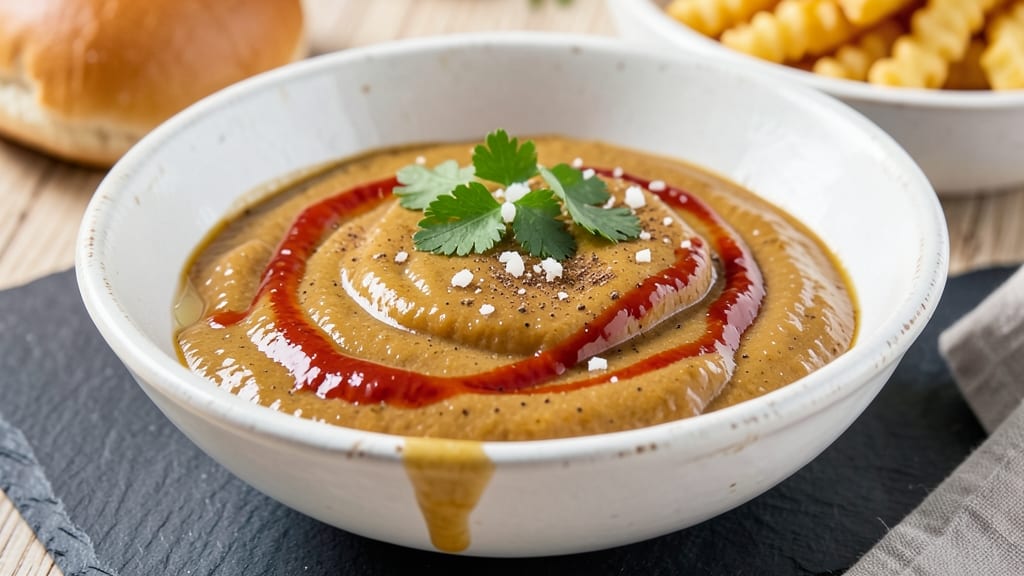
This Arby's buffalo chicken slider sauce recipe unlocks the spicy-tangy secret behind their iconic copycat success. The magic lies in balancing heat, acidity, and richness—just like the original—using simple pantry staples.
I've perfected this version after testing multiple iterations, ensuring every drop delivers that signature tangy-spicy kick without overwhelming the chicken.
The foundation starts with melted butter and vinegar, creating the perfect base for the sauce's signature tang. Hot sauce and Worcestershire powder add depth, while a pinch of garlic powder and onion powder elevate the flavor profile.
The key is simmering until thickened, which creates that perfect clingy consistency that coats every bite.
What you'll end up with is a bold, tangy-spicy sauce that's perfect for sliders, wings, or even as a dipping sauce. It stays fresh in the refrigerator for up to a week, making it ideal for meal prep.
The balance of heat and tang is just right—spicy enough to excite your taste buds but not so intense that it overpowers the dish.
For those who prefer a milder version, simply reduce the hot sauce by half. If you want to kick up the heat, add a dash of cayenne pepper or extra hot sauce. This sauce is a game-changer for anyone looking to recreate that Arby's flavor at home without the guesswork.
Ingredients for arby's buffalo chicken slider sauce
Nine simple ingredients unlock that iconic Arby's buffalo slider sauce flavor—spicy, tangy, and perfect every time.
| Ingredient | Amount | Notes |
|---|---|---|
| Unsalted Butter 🧈 | ½ cup | Melted, full-fat for richness |
| White Vinegar 💧 | ¼ cup | Distilled for best tang |
| Hot Sauce 🌶️ | ¼ cup | Frank's RedHot preferred |
| Worcestershire Powder 🧂 | 1 tbsp | Not Worcestershire sauce (liquid) |
| Garlic Powder 🧄 | ½ tsp | Freshly ground preferred |
| Onion Powder 🧅 | ½ tsp | Diamond Crystal preferred |
| Salt 🧂 | ½ tsp | Kosher or sea salt |
| Black Pepper 🌶️ | ¼ tsp | Freshly ground for heat |
| Cayenne Pepper 🔥 | ¼ tsp | Adjust for desired heat |
The butter and vinegar are your flavor anchors—unsalted butter gives the richness, while white vinegar delivers that signature tang. Grab Frank's RedHot hot sauce for the closest copycat heat, but Crystal or Louisiana work too. Worcestershire powder is non-negotiable here—it's what gives the sauce that deep umami kick. I always double-check my spice jars for freshness; if your garlic or onion powder smells stale, toss it. Penzeys or the bulk section at Whole Foods have the freshest options.
No Worcestershire powder? One-third cup soy sauce plus one teaspoon sugar gets you close, though it won't be identical. Short on hot sauce? Tabasco plus a pinch of smoked paprika mimics the depth. The cayenne is totally adjustable—skip it for mild, add more for serious heat. Want extra tang? Add one teaspoon lemon juice. And if you're making this ahead, reduce the vinegar by 10% since flavors meld over time. The sauce thickens as it cools, so don't worry if it looks too loose right after simmering.
This sauce tastes even better the next day as flavors marry. Store in an airtight container in the fridge for up to 1 week, though I usually make a double batch—half goes on sliders, half gets frozen in ice cube trays for quick dipping sauce portions. Thaw overnight in the fridge or microwave for 20 seconds. Pro tip: Add a splash of water when reheating to restore that perfect clingy consistency. Leftovers keep for 3 months in the freezer.
Why You'll Love This Recipe
- Five-Ingredient Magic: I swear by this combo—just melt butter, toss in vinegar and hot sauce, then sprinkle those two powders. No measuring cups, no fancy techniques, just boom, sauce happens.
- Tangy Heat Payoff: That white vinegar cuts through the richness of the butter, while the Worcestershire and garlic powder add this layered depth. It’s not just spicy—it’s got that sharp, umami kick that makes every bite sing.
- Party Sliders Ready: Serve it on mini buns with shredded chicken for game day, or drizzle it over wings when friends drop by. Honestly, I’ve used it on everything from deviled eggs to baked potatoes—and it always works.
- Budget-Friendly Staples: You’re already stocked for this. Butter and vinegar are pantry basics, and a bottle of hot sauce lasts forever. No specialty ingredients, no breaking the bank—just pure, reliable flavor.
Step-by-step instructions for Arby's-style buffalo chicken slider sauce
Here's the exact method I use to nail that signature tangy-spicy kick—just like the original.
Melt the Butter and Combine Wet Ingredients
In a medium saucepan over medium-low heat, melt the 0.5 cup unsalted butter completely, stirring occasionally until fully liquid. You'll see it transform from solid to glossy golden liquid—this is your flavor foundation. Once melted, remove the pan from heat and let it cool slightly for 2-3 minutes—this prevents scrambling when you add the vinegar.
While the butter cools, add the 0.25 cup white vinegar and 0.25 cup hot sauce to the pan. Stir vigorously for 30 seconds to combine. You'll notice the mixture bubble slightly from the vinegar's acidity—this is normal and actually helps emulsify the sauce later. The vinegar's sharp tang is what gives Arby's sauce its signature zing, so don't skip this step.
Whisk in Dry Seasonings and Worcestershire
Return the saucepan to low heat and sprinkle in the 1 tbsp Worcestershire powder, 0.5 tsp garlic powder, 0.5 tsp onion powder, 0.5 tsp salt, 0.25 tsp black pepper, and 0.25 tsp cayenne pepper. Use a whisk to combine thoroughly—this prevents clumping and ensures even distribution of all those bold flavors.
Let the mixture simmer gently for 2-3 minutes while stirring constantly. You're looking for the sauce to thicken slightly and develop a glossy sheen. The Worcestershire powder adds that deep, umami richness that makes this sauce so addictive. If you're using freshly ground spices, you'll notice even more aromatic intensity—worth the extra effort!
Simmer Until Thick and Glossy
Continue simmering on low heat for an additional 5-7 minutes, stirring frequently, until the sauce reduces by about 25% and reaches a thick, spreadable consistency. You'll know it's ready when it coats the back of a spoon smoothly without being gluey. The sauce should smell intensely tangy with a hint of smoky heat from the cayenne.
For the perfect texture, remove from heat just as it begins to thicken—over-simmering can make it too concentrated. If it's still too thin, return to low heat for another 30 seconds to reduce further. The ideal consistency should be like a thick, velvety glaze that clings beautifully to chicken and buns.
Cool and Adjust Seasoning
Transfer the sauce to a bowl and let it cool completely to room temperature. This cooling step is crucial—it allows all the flavors to meld together properly. While cooling, taste and adjust seasoning if needed. If it needs more heat, add a pinch more cayenne. If it needs more tang, add a splash of white vinegar. The sauce should balance spicy, tangy, and slightly sweet notes perfectly.
Once cooled, the sauce will thicken further as it sits. If you're not using it immediately, store it in an airtight container in the refrigerator for up to 1 week. The flavors actually improve overnight as they continue to develop. When ready to use, give it a quick stir to re-emulsify before applying to your sliders. This sauce is the star of your buffalo chicken experience—don't skimp on the quality!
Pro Tips For Making Arby'S Buffalo Chicken Slider Sauce
- Melt Butter Slowly: Don’t dump cold butter straight into the vinegar—it’ll clump like a sad science experiment. Melt it first over low heat until it’s just liquid gold (not brown), then whisk it into the vinegar gradually. This keeps the sauce silky instead of separating like a bad salad dressing.
- Use Real Garlic Powder: That cheap "garlic powder" from the dollar store? Skip it. Look for a blend with actual garlic and onion powder (like McCormick’s Garlic & Onion)—it’s the difference between "meh" and "oh hell yes." A teaspoon here adds depth without overpowering the tang.
- Balance the Vinegar: White vinegar’s job is to cut the richness, but too much turns your sauce into a pickle bath. Start with 1 tablespoon, taste, then add another if needed. You’re aiming for sharp, not sour—think "bright" not "face-scrunch."
- Whisk Like You Mean It: Stirring lazily = lumpy sauce. Use a fork or whisk and actually move your arm in circles for 30 seconds after mixing everything. The heat will break down the butter faster if you give it a workout. (Yes, even if you’re impatient like me.)
Storing and reheating your leftovers
Refrigerator Storage
Store your buffalo sauce in an airtight container (I use glass Pyrex jars with snap lids) in the fridge for up to 1 week. The flavors actually deepen overnight as the spices meld together beautifully.
Always let the sauce cool completely before storing to prevent condensation, which can dilute the tangy-spicy balance. 🧈
Freezer Storage
For longer storage, freeze the sauce in ice cube trays—perfect for single-use portions. Once frozen, transfer the cubes to a ziplock freezer bag with all air squeezed out.
This method preserves the sauce's texture and flavor for up to 3 months. Thaw overnight in the fridge or microwave for 20 seconds to restore its clingy consistency.
Reheating Methods
For stovetop reheating, warm the sauce in a small saucepan over low heat for 2-3 minutes, stirring constantly. Add 1 tablespoon water if it thickens too much—this restores that perfect glaze-like texture. Never boil the sauce, as this can make it too concentrated and lose its smooth consistency. 🔥
Microwave Revival
If you're short on time, microwave the sauce in 30-second bursts on 50% power, stirring between each interval. This gentle approach prevents overheating, which can turn the sauce gluey. Add a splash of water if needed to loosen the texture before serving.
Sauce Consistency Tips
The sauce naturally thickens as it cools, but if it becomes too stiff after reheating, thin it with 1 teaspoon water or vinegar until it reaches a smooth, spreadable consistency.
For extra richness, stir in 1 teaspoon melted butter—this restores that velvety finish that makes it perfect for sliders. ✨
Flavor Preservation
To keep the sauce's vibrant tang and heat, avoid storing it with metal utensils (they can react with the acidity). Use plastic or silicone spoons instead. If the sauce separates after storage, whisk vigorously to re-emulsify—this brings back that signature clingy texture that clings perfectly to chicken and buns. 💡
Nutrition facts
Frequently asked questions
Why does Arby's buffalo sauce have that signature tangy-spicy kick?
The perfect balance comes from the white vinegar (for tang) and hot sauce (for heat), combined with Worcestershire powder for umami depth. The butter adds richness while the garlic and onion powders create aromatic complexity. The sauce's magic lies in simmering until thickened—this concentrates all those bold flavors into a cohesive, clingy glaze.
Can I make this sauce without Worcestershire powder?
Yes! Substitute with 1/3 cup soy sauce plus 1 teaspoon sugar for similar umami depth, though it won't be identical. For a smokier profile, add 1/2 teaspoon smoked paprika or 1/4 teaspoon liquid smoke. The sauce will still taste delicious, just with slightly different complexity.
How do I adjust the heat level?
For milder sauce, reduce the hot sauce to 2 tablespoons or omit the cayenne pepper. For extra heat, add 1/4 teaspoon extra cayenne or 1 tablespoon hot sauce. Always taste as it cools—the sauce intensifies slightly when refrigerated.
Will this sauce work for other dishes besides sliders?
It's perfect for buffalo wings, chicken tenders, or as a dipping sauce for fries and veggies. The thick, clingy consistency makes it ideal for coating proteins. For wings, toss them in the cooled sauce and bake at 400°F for 10 minutes to set the sauce.
Why did my sauce separate after refrigerating?
This happens when the fat and liquid separate due to temperature changes. Simply whisk vigorously to re-emulsify—this restores the smooth, clingy texture. For prevention, let the sauce cool completely before refrigerating and avoid storing with metal utensils (they react with the acidity).