
Main Courses
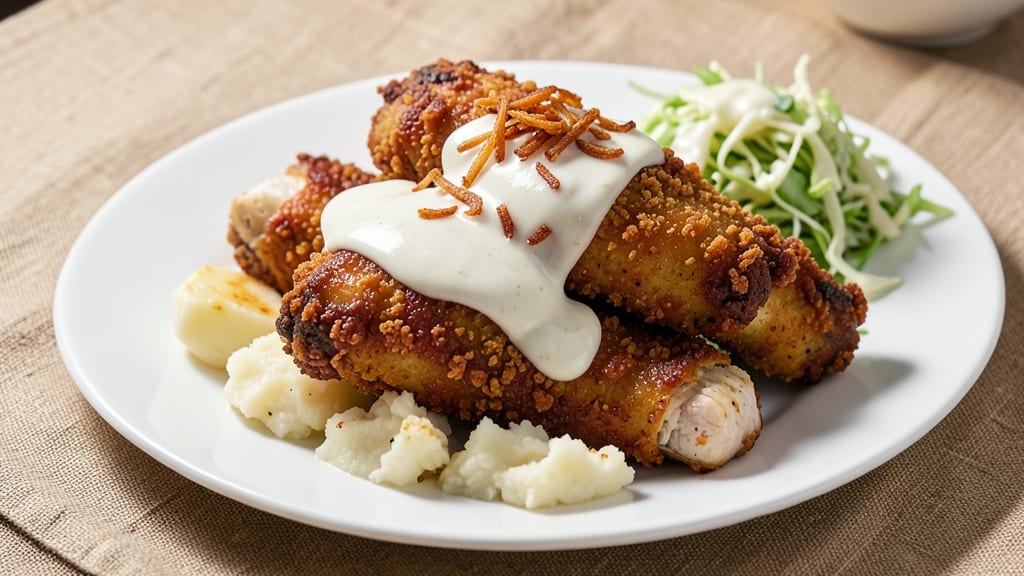
Applebee's Chicken Fried Chicken delivers that legendary triple-dredged crunch and buttery tenderness that keeps diners coming back. The secret lies in a buttermilk brine that tenderizes the meat from the inside, followed by three separate breading stages that create an irresistibly crispy exterior.
I've recreated this restaurant favorite at home with exacting precision—no shortcuts, just that signature golden-brown crust and savory gravy that pairs perfectly with mashed potatoes.
The process begins with a buttermilk brine that works overnight to break down the chicken fibers, ensuring fork-tender meat every time. After patting dry, the chicken undergoes three breading stages: a seasoned flour base, a thick wet slurry, and a final dry flour coating.
This triple-dredge technique is what delivers that iconic Applebee's texture—crispy enough to stand up to gravy but tender enough to melt in your mouth. The key is maintaining a consistent frying temperature of 350–375°F to avoid soggy breading.
What sets this recipe apart is the homemade gravy, rich and velvety, that clings to the fried chicken like it's supposed to. The gravy is made from the same drippings that give it depth, with a touch of cream for that signature smoothness.
When plated with fluffy mashed potatoes or buttery biscuits, this dish becomes a restaurant-quality meal that's impossible to resist. The combination of crispy, juicy chicken and that perfect gravy is pure comfort food at its finest.
This isn't just another fried chicken recipe—it's a replication of Applebee's signature dish, down to the buttermilk brine and triple-dredge method.
Whether you're feeding a crowd or treating yourself to a homemade version of your favorite restaurant dish, this recipe delivers the crunch, tenderness, and gravy that make it legendary. Let's get cooking!
Ingredients for applebee's chicken fried chicken
Buttermilk, flour, and three dredges—this is how you get that legendary Applebee's crunch.
| Ingredient | Amount | Notes |
|---|---|---|
| Boneless, Skinless Chicken Thighs 🍗 | 2 lb | Cut into 3-inch pieces, trim excess fat |
| Buttermilk 🥛 | 2 cups | Full-fat for best flavor and tenderness |
| All-Purpose Flour 🌾 | 2 cups | White flour, not self-rising |
| Cornstarch 🌾 | ½ cup | For ultra-crispy coating |
| Ground Black Pepper 🌶️ | 1 tbsp | Freshly ground for best flavor |
| Diamond Crystal Kosher Salt 🧂 | 1 tbsp | Adjust to taste |
| Vegetable Oil 🫒 | 4 cups | For frying, 350–375°F |
| Heavy Whipping Cream 🥛 | ½ cup | Full-fat for gravy richness |
| Unsalted Butter 🧈 | ½ cup | Cold, cubed for gravy |
| Chicken Broth 💧 | 1 ½ cups | Low-sodium preferred |
| Fresh Parsley 🌿 | ¼ cup | Chopped, for garnish |
| Garlic Cloves 🧄 | 2 cloves | Minced for gravy |
| Lemon Juice 🍋 | 1 tbsp | Freshly squeezed |
The buttermilk is non-negotiable—full-fat is the secret to that signature tenderness. I grab Land O'Lakes from the dairy aisle, but any brand works as long as it's not low-fat. The chicken thighs? Bone-in, skin-on would be ideal, but boneless skinless works too—just trim any excess fat. For the flour, White Lily or Gold Medal are my go-tos, but any all-purpose will do. The cornstarch is what gives that extra crunch, so don't skip it. And for the frying oil, vegetable oil is best—it stays stable at high heat and doesn't impart flavor.
No buttermilk? Substitute with milk plus 1 tbsp vinegar or lemon juice, but let it sit for 10 minutes to curdle. Running low on cornstarch? All-purpose flour works at 1:1 ratio, but the texture won't be quite as crispy. The gravy can be made ahead—just reheat gently on the stove. For the garlic in the gravy, fresh is best, but if you're in a pinch, garlic powder at half the amount works. And if you're worried about the chicken staying crispy, keep it warm in a 200°F oven while you make the gravy.
The buttermilk brine can sit in the fridge for up to 24 hours, but I usually do it overnight for maximum tenderness. The fried chicken stays crispy for about 30 minutes if kept warm in the oven, so make the gravy first if you're feeding a crowd. The gravy keeps well in the fridge for 3 days—just reheat gently and stir in a splash of milk or cream to loosen it up. And if you're prepping ahead, freeze the fried chicken for up to 1 month—just reheat in the oven at 375°F for 15 minutes.
Why You'll Love This Recipe
- No-Fuss Double Dip: The buttermilk marinade does half the work while I sleep—just soak the thighs overnight, then dip them twice in that flour-cornstarch mix. That second dip? Pure magic for that golden crunch.
- Creamy-Crisp Payoff: Between us, the cornstarch in the batter gives it that perfect crunch while the buttermilk keeps it juicy inside. It’s the kind of bite that makes you take a second helping without even thinking.
- Leftovers That Shine: I swear by this for meal prep—reheat in the oven with a splash of water, and it’s just as crispy as day one. Pack it for lunches or toss it in salads when you’re tired of plain chicken.
- Budget Win: Chicken thighs are cheaper than breasts, and this recipe stretches for a crowd. Honestly, I’ve fed six people for under $15 with this—plus, the leftovers last me a week. Smart money move.
Step-by-step instructions for Applebee's-style triple-dredged chicken fried chicken
Here's how to nail that signature Applebee's crunch with a juicy, buttermilk-brined center.
Brine the Chicken for Maximum Tenderness
Place the 2 lb boneless, skinless chicken thighs in a large resealable bag and pour in the 2 cups buttermilk. Seal the bag and refrigerate for 4-6 hours or overnight. This buttermilk brine works magic by breaking down the muscle fibers, ensuring fork-tender meat while keeping it impossibly juicy.
Here's the thing—I always add 1 tablespoon Diamond Crystal kosher salt and 1 tablespoon freshly ground black pepper to the buttermilk. This pre-seasoning ensures every bite has that perfect balance of savory and spicy notes before we even hit the fryer. After brining, pat the chicken completely dry with paper towels. Any moisture left on the surface will prevent that golden, crispy crust we're after.
Create the Triple-Dredge Coating
In a large bowl, whisk together the 2 cups all-purpose flour and 0.5 cup cornstarch. This is where the magic happens—the cornstarch creates that ultra-crispy, almost shatterable crust that makes this dish so special. Add the 1 tablespoon ground black pepper and 1 tablespoon Diamond Crystal kosher salt to the flour mixture and stir well.
Now for the triple-dredge technique: First, dip each piece of chicken into the flour mixture, pressing gently to adhere. Then dip into the buttermilk, letting any excess drip off. Finally, dip back into the flour mixture one last time, pressing firmly to create a thick, even coating. This three-step process builds layers of flavor and texture that you just can't get with a single dredge. Place the coated chicken on a wire rack set over a baking sheet to keep pieces separate.
Fry to Golden Perfection
Heat 4 cups vegetable oil in a deep fryer or heavy pot to 350-375°F. Use a thermometer to monitor the temperature—this is critical. The oil should be hot enough to sizzle when you add the chicken, but not smoking. Fry the chicken in batches for 8-10 minutes, turning occasionally, until golden brown on all sides and the internal temperature reaches 165°F.
Don't overcrowd the fryer—this drops the oil temperature and leads to greasy, soggy chicken. You want each piece to have room to crisp up properly. As you fry, place the cooked chicken on a wire rack set over a paper towel-lined plate to drain excess oil. The rack keeps the chicken crispy while allowing oil to drain away.
Make the Creamy Garlic Gravy
While the chicken rests, make the gravy. In the same pot used for frying, reduce the heat to medium and add 0.5 cup cold unsalted butter and 0.5 cup heavy whipping cream. Let it simmer gently for 2-3 minutes until the butter melts and the mixture begins to thicken slightly.
Add the 2 minced garlic cloves and cook for 30 seconds until fragrant. Then pour in the 1.5 cups chicken broth and bring to a gentle simmer. Let it reduce by about half—this concentrates the flavor—until it reaches a smooth, velvety consistency. Finish with 1 tablespoon freshly squeezed lemon juice for a bright, tangy note that cuts through the richness. Season with additional salt and pepper if needed.
Serve with Gravy and Fresh Parsley
Transfer the fried chicken to a serving platter and pour the gravy over the top. Garnish with 0.25 cup chopped fresh parsley for a pop of color and freshness. The chicken should be golden brown and crispy on the outside, with juices flowing when you cut into it. Serve immediately with mashed potatoes or a simple green salad to soak up that delicious gravy.
Here's the secret to keeping it crispy: Don't skip the wire rack when draining. Any time you stack chicken on a plate, the bottom pieces will get soggy from the condensed moisture. And always serve with the gravy right away—this dish tastes best fresh out of the fryer with that perfect crunch.
Pro Tips For Making Applebee'S Chicken Fried Chicken
- USE CORNSTARCH LAST: Applebee’s version relies on that extra crunch from cornstarch, but mixing it in too early makes the batter gummy. Stir it into the flour right before dredging—just a tablespoon or two per cup of flour—so it stays crispy, not gluey. I learned this after sloppy second batches where the coating turned soggy before hitting the pan.
- BRINE THE THIGHS: Skip the buttermilk soak if you’re short on time, but brine the chicken first—1/2 cup salt per 4 cups water, 30 minutes max. It keeps the meat juicy and makes the buttermilk marinade work better. I used to skip this, and the thighs always dried out mid-fry. Worth the extra 10 minutes.
- FRIED IN BATCHES: Crowd the pan, and you’ll steam the coating instead of fry it. Work in small batches—no more than 3 pieces at a time—and keep the oil at 350°F. If the temperature drops, the crust soaks up oil like a sponge. I fried a whole tray once and got greasy, sad chicken. Don’t be that person.
- SEAR FIRST, THEN REST: After frying, transfer the chicken to a wire rack immediately—not a plate—so air circulates. Let it rest 5 minutes before serving, or the crust will turn limp. I know, waiting kills, but it’s the difference between restaurant-quality crunch and sad, greasy disappointment. Trust me.
Flavor customization for this applebee's chicken fried chicken
Spicy Kick Option
For heat lovers, add 1 teaspoon cayenne pepper or 1 tablespoon hot sauce to the buttermilk brine. This infuses the chicken with subtle spice that pairs perfectly with the creamy gravy.
I like Tabasco for its tangy heat, but Frank's RedHot adds a smoky depth. For extra kick, sprinkle ½ teaspoon smoked paprika into the final flour dredge. 🌶️
Herb-Infused Variations
Swap the plain flour coating for a herb blend by adding 1 tablespoon dried thyme, 1 tablespoon dried rosemary, and 1 teaspoon onion powder to the flour mixture.
Fresh herbs work too—mix 2 tablespoons chopped parsley and 1 tablespoon chopped chives into the final dredge for a bright, aromatic twist. This works especially well with lemon juice in the gravy.
Southern-Style Gravy Twist
For a richer gravy, replace the chicken broth with 1.5 cups homemade chicken stock and add 1 teaspoon Worcestershire sauce while simmering. Finish with 1 tablespoon apple cider vinegar instead of lemon juice for a tangy-sweet balance that mimics classic Southern fried chicken gravy.
The vinegar adds complexity without overpowering the dish.
Extra-Crispy Technique
For maximum crunch, chill the triple-dredged chicken on a wire rack in the refrigerator for 15-20 minutes before frying. The cold temperature firms up the coating, preventing it from absorbing oil and staying crispier longer.
I also recommend using half cornstarch, half all-purpose flour in the final dredge for an even shatterable crust. Serve immediately after frying to maintain that restaurant-quality crunch. ✨
Sweet & Tangy Glaze
After frying, brush the chicken with a mix of 2 tablespoons honey and 1 tablespoon Dijon mustard, then broil for 1-2 minutes until caramelized. This sweet-tangy glaze adds a gourmet touch that balances the savory gravy.
For extra flair, sprinkle with crushed pecans before serving. The contrast between the crunchy coating and sweet glaze is pure indulgence.
Lighter Version Options
For a lighter take, use low-fat buttermilk and replace half the vegetable oil with avocado oil (which has a higher smoke point). Air-fry the chicken at 375°F for 12-15 minutes, flipping halfway, for a crispy exterior with less oil.
The gravy can be made with half-and-half** instead of heavy cream to cut calories while keeping richness. Garnish with extra parsley to brighten the dish.
Nutrition facts
Frequently asked questions
Why does Applebee's chicken fried chicken have that extra-crispy coating?
The triple-dredge technique is the secret! First dip in seasoned flour, then buttermilk, then back into flour creates three distinct layers. The cornstarch in the flour mixture adds that signature shatterable crunch, while the buttermilk keeps the meat impossibly tender underneath.
Can I use chicken breasts instead of thighs?
You can try, but thighs are ideal for their flavor and fat content. Chicken breasts will dry out faster and lack that rich mouthfeel. If you must use them, brining for 6-8 hours instead of 4-6 helps, and cook them 2-3 minutes less in the fryer to prevent overcooking.
How do I keep the chicken crispy after frying?
Two key tricks: Drain on a wire rack (not paper towels) to let oil evaporate, and keep fried chicken in a 200°F oven while making gravy. Never stack pieces or cover with foil—the steam makes the coating soggy. Serve immediately for maximum crunch!
What's the best oil for frying?
Vegetable oil is perfect for its high smoke point (350-375°F) and neutral flavor. Avoid olive oil (low smoke point) or peanut oil (strong flavor). For extra crispiness, use avocado oil—it stays stable at high heat and adds a subtle buttery note that pairs well with the gravy.
Can I make the gravy ahead of time?
Yes! Gravy keeps for 3 days in the fridge. To reheat, warm gently on the stove and stir in 1 tablespoon milk or cream to loosen it. For best texture, add a pinch of cornstarch mixed with water if it thickens too much. Never microwave—it breaks the emulsion and makes gravy grainy.