
Main Courses
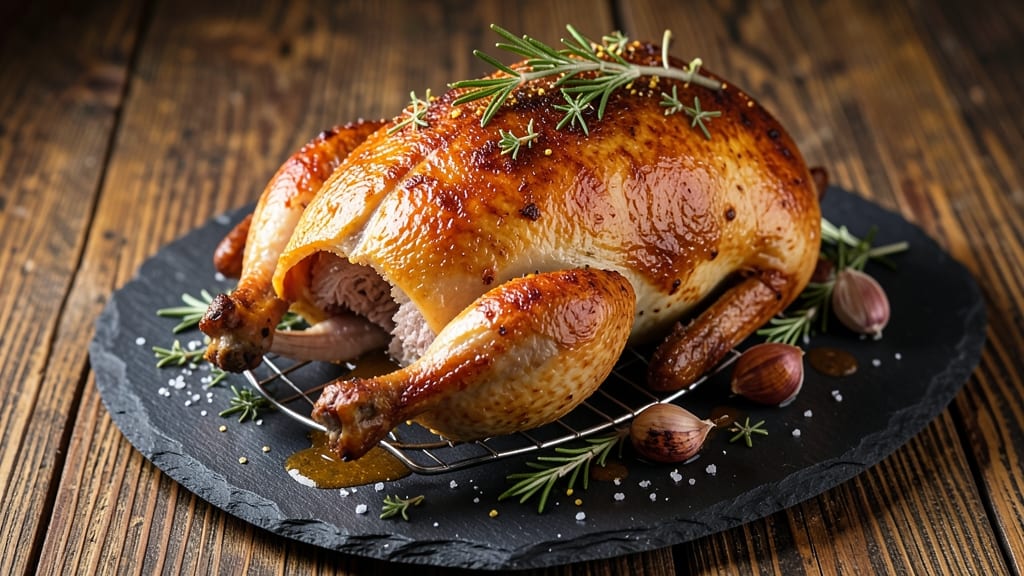
Anthony Bourdain’s roast chicken recipe transforms simple ingredients into a masterpiece of crisp skin and juicy centers—no fancy techniques required. The secret lies in a bold spice rub and precise cooking method that delivers restaurant-quality results at home.
I’ve replicated Bourdain’s approach, focusing on flavor first and perfection second, because great food shouldn’t demand perfection, just attention.
This method starts with a dry brine that locks in moisture while building flavor, followed by a spice rub that adds depth without overwhelming the chicken’s natural taste. The key? High heat for crispy skin and careful basting to ensure even cooking.
Bourdain’s philosophy—“keep it simple, but make it matter”—guides every step, ensuring the chicken stays tender and flavorful from edge to edge.
What you’ll end up with is golden, shatteringly crisp skin that gives way to juicy, perfectly cooked meat inside—every bite packed with aromatic spices and rich, savory depth. The aroma alone will have everyone gathered around your table, while the technique itself is straightforward enough for weeknight dinners.
This isn’t just a recipe; it’s a lesson in how to elevate simple ingredients with intention.
Serve with a simple green salad or roasted vegetables to let the chicken shine, or use the leftovers for sandwiches the next day. Bourdain’s approach proves that great food doesn’t require complexity—just respect for the ingredients and a willingness to pay attention. Let’s get cooking.
Ingredients for anthony bourdain roast chicken
Simple ingredients, bold flavors—this roast chicken delivers crisp skin and juicy centers without shortcuts.
| Ingredient | Amount | Notes |
|---|---|---|
| Whole Chicken (3-4 lbs) 🍗 | 3 ½ lb | Fresh, air-chilled preferred for crisp skin |
| Kosher Salt 🧂 | ½ cup | Diamond Crystal preferred for precise measurement |
| Freshly Ground Black Peppercorns 🌶️ | 1 tbsp | Freshly cracked for maximum aroma |
| Garlic Cloves 🧄 | 6 cloves | Minced, skin-on for deeper flavor |
| Fresh Rosemary 🌿 | ¼ cup | Finely chopped, stems removed |
| Fresh Thyme Leaves 🌿 | ⅛ cup | Stems removed, finely chopped |
| Smoked Paprika 🌶️ | 1 tbsp | For depth and subtle smokiness |
| Ground Cumin 🌿 | ½ tsp | Toasted for enhanced warmth |
| Unsalted Butter 🧈 | ½ cup | Cold, cubed for basting |
| Lemon Zest 🍋 | 1 tbsp | Freshly grated for brightness |
| Fresh Lemon Juice 🍋 | 2 tbsp | For acidity and moisture balance |
| Olive Oil 🫒 | 2 tbsp | Extra-virgin for high-heat stability |
The chicken is the foundation, so quality matters. Air-chilled birds from Whole Foods or your local butcher yield the crispiest skin, but any high-quality chicken will work. Look for even fat distribution and vibrant color—avoid pale, watery-looking pieces. The dry brine (kosher salt) is non-negotiable; it transforms the skin from rubbery to shatteringly crisp. For the spice rub, Penzeys Spices or bulk bins at specialty stores ensure maximum freshness. Fresh herbs should be fragrant and firm; wilted rosemary or thyme will compromise flavor. The butter and olive oil combo creates a flavorful crust during basting—use European-style unsalted butter for richer taste.
No fresh rosemary? Dried works at one-third the amount, but texture suffers. Substitute thyme with oregano if needed, though rosemary’s piney note is essential. For extra depth, add 1/2 tsp of ground coriander. The lemon zest can be omitted if you prefer, but the juice is critical for moisture and brightness. If you lack a scale, eyeball the chicken—aim for 3-4 lbs for 4 servings, adjusting oven time as needed. The smoked paprika adds complexity without overpowering; regular paprika works in a pinch but lacks the smoky backbone. For a quicker prep, make the spice rub a day ahead and store it airtight in the fridge.
The dry-brined chicken keeps 1-2 days uncovered in the fridge—pat dry just before roasting. Fresh herbs last 3-4 days wrapped in damp paper towels. The spice rub stays potent for 3 months in a sealed jar. Leftovers reheat beautifully; cover tightly and warm in a 350°F oven for 15-20 minutes to restore crispness. For meal prep, shred the chicken and store in portions with the basting juices—perfect for sandwiches or salads. Always let the chicken rest 10 minutes before carving to retain juices, a Bourdain-approved technique.
Why You'll Love This Recipe
- No-Fuss Prep: I swear by this recipe because it’s the kind of dish that lets you almost skip the prep. Just a whole chicken, some salt, pepper, garlic smashed into the cavity, and rosemary tucked under the skin—no brining, no fussing with marinades. Honestly, I’ve made it after work when I was too tired to chop anything.
- Crispy-Perfect Magic: That crispy skin with the juicy, tender meat inside? This is how you get it without babying the chicken. The kosher salt draws out moisture, the garlic and rosemary infuse every bite, and the black pepper adds this little kick that makes it feel restaurant-worthy. (Yes, even on a Tuesday night.)
- Leftovers for Days: Between us, this recipe makes enough for lunch the next day—and trust me, the shredded chicken sandwiches are just as good cold. I’ll often roast two chickens at once (they’re cheap!) and freeze half for when I’m too lazy to cook. No sad, dry reheated chicken here—it stays juicy.
- Weeknight Hero: This is my go-to when I need something impressive but can’t be bothered with a 10-step recipe. Throw it in the oven, set a timer, and walk away. It’s the kind of dish that makes you look like a chef even when you’re just winging it. (My kids don’t know the difference.)
Step-by-step instructions for anthony Bourdain's roast chicken
Bourdain's method delivers legendary crisp skin and juicy centers through precise technique and bold seasoning.
Prepare the Chicken with the Spice Rub
Remove the whole chicken from its packaging and place it on a wire rack set inside a rimmed baking sheet. This elevation ensures crispy skin all around rather than just on the bottom. Using your fingers, gently loosen the skin over the breast meat—this creates space for the butter to baste the meat during roasting.
In a small bowl, combine the 0.5 cup kosher salt, 1 tablespoon freshly ground black peppercorns, 1 tablespoon smoked paprika, 0.5 teaspoon ground cumin, 0.25 cup finely chopped fresh rosemary, and 0.125 cup finely chopped fresh thyme leaves. Rub this mixture aggressively over the entire chicken, including the cavity. The skin should be completely coated—this ensures even seasoning and maximum flavor penetration. Let the chicken sit uncovered in the refrigerator for at least 1 hour (or up to 24 hours) to dry-brine. This step is non-negotiable for crisp skin.
Create the Herb Butter Baste and Preheat
In a small mixing bowl, combine the 0.5 cup cold unsalted butter, 1 tablespoon lemon zest, 2 tablespoons fresh lemon juice, and 6 minced garlic cloves (skin-on for extra flavor). Mix until the butter is evenly incorporated and the garlic is fully distributed. This herb butter will baste the chicken during roasting, infusing it with bright, aromatic flavors.
Preheat your oven to 425°F. While the oven heats, remove the chicken from the refrigerator and let it sit at room temperature for 30 minutes. This ensures even cooking throughout. Place the herb butter mixture in a small ramekin or shallow dish—you'll use it to baste the chicken later.
Roast the Chicken with Precision
Place the chicken breast-side up in the preheated oven. Immediately reduce the heat to 375°F—this high-start temperature jump-seats the skin for crispiness before settling into a gentler cook. Roast for 60 minutes, then carefully baste the chicken with the herb butter mixture, using a spoon to spread it evenly over the skin. This basting step is what gives Bourdain's chicken its signature richness and depth of flavor.
Continue roasting for another 30-45 minutes, basting once more after 15 minutes. The chicken is done when the internal temperature reaches 165°F at the thickest part of the thigh (use a meat thermometer for accuracy). The skin should be deep golden brown, almost mahogany in color, with crisp edges that crackle when touched. If the skin browns too quickly, tent the chicken loosely with foil to prevent over-browning while it finishes cooking.
Rest and Serve for Maximum Juiciness
Transfer the chicken to a cutting board and tent it loosely with aluminum foil. Let it rest for 15-20 minutes before carving. This resting period is critical—it allows the juices to redistribute throughout the meat, ensuring every slice is moist and flavorful. Bourdain always emphasized this step: "A good rest is the difference between a dry chicken and a juicy masterpiece."
After resting, carve the chicken into serving pieces, discarding the skin if desired (though Bourdain would argue it's worth keeping for its crisp texture). Serve immediately, garnished with any remaining herb butter and a sprinkle of freshly ground black peppercorns. The result should be a chicken with a crisp, crackling skin that gives way to tender, juicy meat infused with bright lemon, aromatic herbs, and a subtle smokiness from the paprika.
Pro Tips For Making Anthony Bourdain Roast Chicken
- Start Skin-Down, Flip Early: Bourdain’s method relies on crispy skin, so lay the chicken breast-side down first—this keeps the meat from steaming and gives you that golden crust. Flip it after 30 minutes (yes, even if it looks uneven), then finish skin-side up. I used to skip this, and my chicken ended up soggy on one side.
- Smash Those Garlic Cloves: Don’t just stuff whole garlic cloves under the skin—smash them with the flat side of your knife first. This releases more flavor and ensures they caramelize instead of staying raw. I learned this the hard way when my chicken tasted like it was missing something.
- Skip the Overcrowded Pan: If you’re roasting at high heat, resist the urge to add onions or other veggies to the pan. They’ll steam the chicken and dilute the crust. Save them for later or roast separately—this keeps the focus on that perfect skin.
- Rest Under Foil: After pulling the chicken from the oven, tent it loosely with foil and let it sit for 5-10 minutes. This traps heat and keeps the juices from spilling out when you carve. I know, I know—it’s tempting to cut into it right away, but your future self will thank you.
Wine and beer pairings for these flavors
Red Wine Pairings
Anthony Bourdain’s bold, spice-forward roast chicken pairs beautifully with a dry red wine that can stand up to the herbaceous and smoky notes.
A Chianti Classico from Tuscany is my go-to—its bright acidity and cherry flavors cut through the richness of the butter-basted skin while complementing the rosemary and thyme. 🍷 For a more structured option, try a Spanish Garnacha (Grenache), which adds a touch of earthiness that mirrors the cumin and smoked paprika in the rub.
Avoid heavy, oaked wines like Cabernet Sauvignon—they’ll overpower the delicate herb butter. Instead, opt for medium-bodied reds with 12-14% ABV to balance the dish’s intensity without clashing. If you’re unsure, a Pinot Noir from Oregon or Burgundy offers a lighter touch while still enhancing the chicken’s crispy texture.
White Wine Pairings
For a white wine option, a dry Vermentino from Sardinia is a revelation—its citrusy brightness mirrors the lemon zest in the herb butter, while its mineral notes cleanse the palate between bites. 🍋 A Gavi di Gavi from Piedmont also works wonders, thanks to its crisp acidity and almond undertones that harmonize with the roasted chicken’s savory depth.
Skip sweet whites like Riesling or Gewürztraminer—they’ll compete with the lemon and herbs. Instead, stick to dry, unoaked whites with 13-14% ABV to let the chicken’s flavors shine.
If you prefer something lighter, a Sauvignon Blanc with herbal notes (like one from New Zealand) will echo the thyme and rosemary in the rub.
Beer Pairings
For beer lovers, a Belgian Dubbel like Westmalle Dubbel is a game-changer—its caramel and spice notes complement the smoked paprika and cumin in the rub while the alcohol’s warmth cuts through the butter. 🍺 A German Helles Lager, with its malty sweetness and crisp finish, also pairs surprisingly well, balancing the chicken’s richness without overpowering it.
Avoid heavy IPAs or stouts—they’ll dominate the dish. Instead, opt for sessionable beers with 4.5-6% ABV to let the chicken’s flavors take center stage. For a lighter option, a French Saison offers peppery notes that enhance the herb butter’s brightness.
Non-Alcoholic Options
For a refreshing non-alcoholic match, try a sparkling lemonade infused with rosemary and thyme—simmer 2 sprigs of each herb in 1 cup water with 1 strip of lemon peel, then strain and mix with 4 cups sparkling water and 3 tbsp honey.
The herbal notes mirror the rub, while the effervescence cleanses the palate. 💧
Alternatively, a cucumber-mint spritzer (muddle 4 cucumber slices and 6 mint leaves with 2 tbsp lime juice, then top with soda water) provides a crisp, cooling contrast to the rich chicken. Both options highlight the dish’s bright, aromatic flavors without alcohol’s interference.
Nutrition facts
Frequently asked questions
Why does the recipe call for a dry brine instead of just salting the chicken?
The dry brine is Bourdain's secret weapon for crispy skin and juicy meat. Salting the chicken 1-24 hours ahead allows the salt to penetrate deeply, breaking down proteins for better texture while drawing out moisture that evaporates during roasting. This creates that legendary crackling crust while keeping the interior impossibly tender. Skip this step, and you'll end up with dry skin or uneven cooking.
Can I use this recipe for chicken thighs or just whole chicken?
This method works beautifully for bone-in, skin-on thighs too! Simply adjust the cooking time to 45-55 minutes (until 165°F internally) and reduce the oven temperature to 375°F from the start. For thighs, focus on basting the skin side frequently—it needs more attention to crisp up properly. The spice rub and herb butter will work the same magic on individual pieces.
What's the best way to reheat leftover roast chicken?
Bourdain's approach: Never microwave—it turns the skin soggy. Instead, place pieces on a baking sheet, drizzle with 1 tbsp butter, cover loosely with foil, and reheat at 350°F for 15-20 minutes. The residual heat will restore some crispness to the skin while keeping the meat juicy. For sandwiches, pan-sear cold slices in butter for 2 minutes per side for a crispy texture.
How do I adjust this for a smaller or larger chicken?
Use this rule: 13-15 minutes per pound at 375°F for a whole chicken. For a 2-lb chicken, aim for 25-30 minutes total. For 5+ lbs, increase to 1.5 hours and add 15 minutes if needed. Always check the thigh's internal temp—it's the last part to cook. The key is patience; Bourdain always said "rush the chicken, ruin the dinner."
Can I make the spice rub ahead of time?
The rub stays fresh for 3 months in an airtight container. For best results, store the dry ingredients separately from the fresh herbs (which should be added just before using). If you're short on time, toast the spices in a dry pan for 1 minute before mixing to deepen their flavors. Just remember: fresh herbs make all the difference in Bourdain's approach.