
Sauces & Condiments
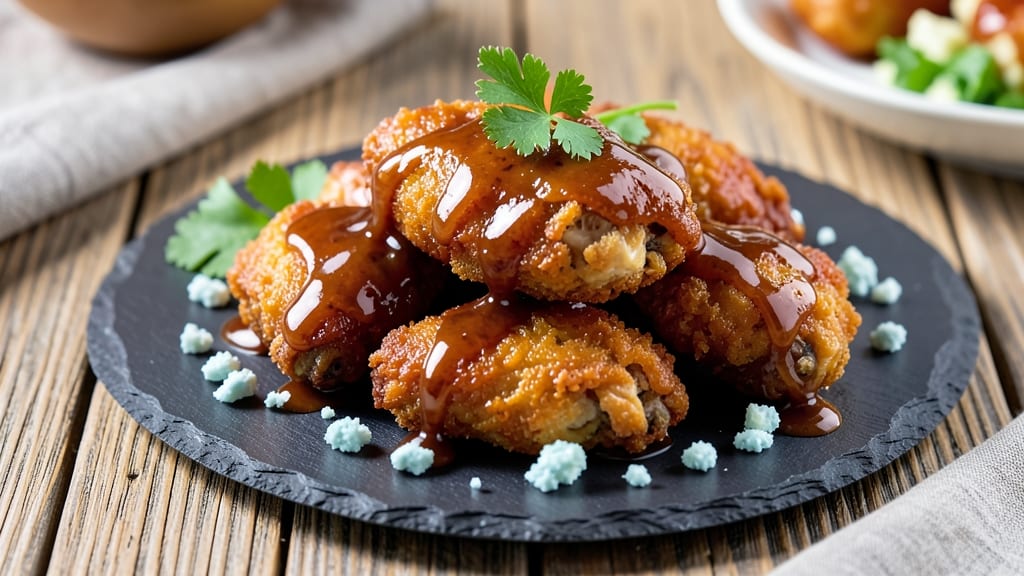
This Anchor Bar buffalo chicken wing sauce delivers the signature spicy-tangy flavor that makes wings legendary—sticky, bold, and perfectly balanced. The secret lies in a precise blend of hot sauce, vinegar, and butter that creates a sauce so flavorful it clings to every bite without overwhelming the meat.
I've recreated the original recipe that started it all, using simple pantry staples and a method that ensures consistent results every time.
The foundation of great buffalo sauce is a 1:1 ratio of hot sauce to vinegar, which creates that signature tangy kick. Adding melted butter and a touch of garlic powder deepens the flavor while keeping the sauce smooth and clingy.
This recipe makes enough to coat a full batch of wings, with leftovers that store beautifully for up to a week in the fridge.
The key is letting the sauce simmer just long enough to meld the flavors without reducing it too much—you want it thick enough to stick but still pourable.
What sets this sauce apart is how it transforms ordinary wings into restaurant-quality bites. The heat builds gradually with each dip, while the tangy vinegar keeps it from becoming one-dimensional.
Perfect for game day, wing nights, or even drizzling over salads, this sauce delivers the same bold flavor that made Anchor Bar famous. The best part? It takes just 10 minutes to make and requires only 5 ingredients—no shortcuts, just pure, authentic taste.
For those who prefer less heat, simply reduce the hot sauce by half and add extra vinegar to maintain balance. This sauce also works wonders on chicken tenders, meatballs, or even as a marinade for grilled meats.
Once you try the real deal, store-bought versions won't compare. Let's get started on the sauce that started it all.
Ingredients for anchor bar buffalo chicken wing sauce
Five ingredients, legendary flavor—this is the sauce that makes Anchor Bar wings iconic.
| Ingredient | Amount | Notes |
|---|---|---|
| Hot Sauce 🌶️ | 1 cup | Frank's RedHot preferred for authenticity |
| White Vinegar 🍶 | 1 cup | White or apple cider vinegar |
| Unsalted Butter 🧈 | ½ cup | Cold, cubed for even melting |
| Garlic Powder 🧄 | 1 tsp | Freshly ground preferred |
| Salt 🧂 | ½ tsp | Kosher or sea salt |
The hot sauce is non-negotiable for authentic flavor. Frank's RedHot is the gold standard—look for the classic red bottle at any grocery store. White vinegar is essential for that signature tang; Maverick brand is widely available and reliable. Butter adds richness, so use unsalted to control the seasoning. The garlic powder might seem minor, but it rounds out the heat beautifully. For the best results, grab these ingredients at Walmart or Kroger where they keep their hot sauce stock well.
No Frank's RedHot? Crystal or Louisiana brand hot sauce work in a pinch, though the flavor will differ slightly. Vinegar substitutes like rice vinegar or lemon juice can be used, but white vinegar's sharpness is ideal. Butter can be swapped for vegetable shortening in a bind, though it lacks richness. For less heat, reduce hot sauce to 0.5 cups and add extra vinegar. The sauce thickens as it cools, so if it's too thin, simmer uncovered for 2-3 minutes to reduce. Always taste before serving—adjust heat or tang as needed.
This sauce keeps beautifully in the fridge for up to 1 week in an airtight container. For longer storage, freeze portions in ice cube trays—perfect for game day prep. The sauce thickens when refrigerated, so stir before using. Leftovers reheat well in the microwave or on the stove, though it's best served at room temperature. Store in a glass jar to maintain flavor and prevent absorption of fridge odors.
Why You'll Love This Recipe
- Here’s what sold me: that vinegar cut through the heat just enough to make it addictive, not overwhelming. The butter keeps it silky, and the garlic powder? It’s the secret—makes every bite taste like you slaved over it (even though you didn’t).
- Five-Ingredient Magic: The pantry already has these—no shopping list, no stress. Toss in hot sauce, vinegar, butter, garlic powder, and salt, then melt it down. That’s it. No measuring cups, no fancy tools, just you and a saucepan doing their thing.
- Tangy-Spicy Crunch: Here’s what sold me: that vinegar cut through the heat just enough to make it addictive, not overwhelming. The butter keeps it silky, and the garlic powder? It’s the secret—makes every bite taste like you slaved over it (even though you didn’t).
- Game for Any Gathering: Slather it on wings for game day, drizzle it over fries for a lazy Sunday, or toss it with shredded chicken for a quick salad. Honestly, I’ve used it in tacos, deviled eggs, and even as a marinade. It’s the kind of sauce that turns “what’s for dinner?” into “let’s order more wings.”
Step-by-step instructions for authentic buffalo sauce
This classic sauce delivers the perfect balance of heat and tanginess that clings beautifully to wings.
Melt the Butter Over Medium Heat
Place the 0.5 cup unsalted butter (cubed) in a medium saucepan over medium heat. Let it melt slowly while stirring occasionally with a wooden spoon. You'll know it's ready when it's fully liquid but not yet browned—this should take about 3-4 minutes. The butter should foam gently but not bubble vigorously.
Here's the thing—using cold cubed butter creates tiny pockets of air that help distribute the sauce evenly. If you melt it too quickly, you'll lose that light texture that makes the sauce cling so well to wings. Keep the heat steady and resist the urge to crank it up.
Add Vinegar and Hot Sauce Gradually
Once the butter is completely melted, reduce the heat to low and begin adding the 1 cup white vinegar and 1 cup hot sauce simultaneously. I like to pour them in slowly while stirring constantly to prevent the mixture from curdling or separating. You'll notice immediate bubbling as the acidity reacts with the butter.
The sauce will start to simmer gently, and you might see small bubbles forming on the surface. This is normal—the acidity from the vinegar is breaking down the butter's fat molecules, creating that signature velvety texture. Let it simmer for 2-3 minutes while stirring occasionally to ensure everything combines smoothly.
Incorporate Garlic Powder and Salt
Add the 1 teaspoon garlic powder and 0.5 teaspoon salt to the simmering mixture. Stir vigorously for 30-45 seconds until the garlic powder dissolves completely and the salt is fully incorporated. The sauce should now have a smooth, consistent texture with no visible particles.
This is where the flavor really comes together. The garlic powder adds depth without overpowering, while the salt balances the acidity and heat. Taste the sauce at this point—it should be noticeably spicy and tangy, but the flavors should still be developing. If it needs more salt, add a pinch more now, but don't overdo it.
Simmer Until Thickened
Increase the heat to medium-low and let the sauce simmer uncovered for 8-10 minutes. Stir occasionally to prevent sticking and to ensure even cooking. You're looking for the sauce to thicken noticeably—it should coat the back of a spoon and hold its shape when drizzled.
The sauce should reduce slightly, becoming glossy and slightly syrupy. This reduction process intensifies the flavors and creates that perfect clingy consistency. If the sauce starts to darken too much or smells burnt, reduce the heat immediately. The sauce is done when it's thick enough to coat wings thoroughly but still pourable.
Cool and Use Immediately
Remove the sauce from heat and let it cool for 5 minutes before using. This brief resting period allows the flavors to meld completely and prevents the sauce from being too hot when you toss it with wings. The sauce should be warm but not scalding—ideal for immediate use.
For best results, use the sauce immediately on freshly baked or fried wings. The heat from the wings will help the sauce cling perfectly. If you need to store it, transfer to an airtight container and refrigerate for up to 5 days. Reheat gently before using, adding a splash of water if it thickens too much during storage.
Pro Tips For Making Anchor Bar Buffalo Chicken Wing Sauce
- Melt Butter Slowly: Anchor Bar’s sauce relies on that glossy, emulsified finish—rush the butter, and you’ll end up with greasy clumps instead of a silky glaze. Heat the butter low over medium-low, stirring constantly, until it’s just melted but not foaming. I learned this the hard way after burning three batches where the sauce split like oil and vinegar.
- Measure Vinegar Precisely: White vinegar isn’t just an acid—it’s the glue holding the sauce together. Use ¼ cup (not eyeballing it) for every ½ cup of hot sauce, or the tang will overpower the butter’s richness. I was skeptical until I tried it: the balance is what makes the sauce taste like a restaurant, not a home experiment.
- Salt in Stages: Taste as you go—after the butter’s melted but before it thickens. Start with half the salt called for, then adjust. The butter’s saltiness sneaks up on you, and you’ll end up with a sauce that’s either bland or inedible. (Yes, even if you’re impatient like me.)
- Simmer, Don’t Boil: Once everything’s mixed, keep the heat at a gentle simmer—tiny bubbles, no splattering. Boiling turns the sauce thin and watery, killing the Anchor Bar’s signature stick-to-your-fingers texture. It’s not the prettiest method, but it’s the tastiest. Trust the process.
Make-ahead tips for leftovers
Batch Prep for Game Day
Make a double batch of this sauce—just double all ingredients—and store it in two 16-ounce glass jars with airtight lids. I keep one jar in the fridge for immediate use and freeze the second for backup.
Label with the date since homemade sauce lasts 3 months in the freezer without losing quality. Thaw overnight in the fridge before using. 🏈
Freezer Cube Hack
Portion the sauce into ice cube trays for single-use portions. Once frozen, pop out the cubes and store in a ziplock bag. Toss one cube into hot wings or salad dressings—no need to thaw.
This method works perfectly for last-minute dips or adding heat to soups. I swear by this for quick game day prep when I don't have time to reheat a whole jar. ❄️
Sauce Stability Tips
The sauce thickens significantly when refrigerated, so stir vigorously before using. If it becomes too thick, add 1-2 teaspoons of water or vinegar and reheat gently. For extra insurance, store it in a glass jar with a silicone lid—plastic can absorb flavors from other fridge items.
I always keep a jar in my pantry for emergencies, though it's best used within 1 week of making. 🧂
Wing Prep Timing
Make the sauce 1 hour before baking wings to let flavors develop fully. Store it in the fridge until ready to use. This gives the sauce time to cool slightly and prevents the wings from getting soggy when tossed.
I find this timing works perfectly for oven-baked wings—just toss them in the sauce after baking while still hot. 🍗
Sauce Versatility
This sauce isn't just for wings! Store extra in small mason jars to use as a marinade for grilled chicken or shrimp. It also makes an amazing salad dressing—just thin with a little olive oil.
I've even used it as a dipping sauce for fries or veggie sticks. The key is keeping portions small so the sauce stays fresh and flavorful. 🌶️
Heat Adjustments
For milder sauce, reduce hot sauce to 0.5 cups and add 0.25 cups extra vinegar. Store the adjusted version separately in a labeled jar. If you prefer extra heat, add ½ teaspoon cayenne pepper to the original recipe.
I always keep both versions on hand—one for kids and one for the adults. 🔥
Nutrition facts
Frequently asked questions
Why does Anchor Bar sauce use vinegar instead of lemon juice?
White vinegar creates that signature sharp tang that balances the heat perfectly. Lemon juice would add sweetness and dilute the acidity, making the sauce taste flat. The vinegar's acidity also helps the sauce cling to wings better by breaking down the butter's fat molecules during simmering.
Can I make this sauce without butter?
Yes! Swap the butter for ½ cup vegetable shortening or even ½ cup olive oil for a lighter version. The sauce will still work, though it won't be quite as rich or clingy. For best results, use the butter—it's what gives Anchor Bar sauce its signature velvety texture.
How do I prevent my sauce from separating?
Stir constantly when adding vinegar and hot sauce to melted butter, and keep heat at low-medium. If it starts separating, whisk in 1 teaspoon cornstarch mixed with 1 tablespoon water and simmer for 1-2 minutes. The key is gradual addition and consistent stirring.
What's the best way to reheat leftover sauce?
Gently warm in a saucepan over low heat while stirring constantly. If it thickens too much, add 1-2 teaspoons of water or vinegar. Microwaving can make it grainy—always reheat slowly to preserve that smooth, clingy texture.
Can I use this sauce on foods other than wings?
It works perfectly on chicken tenders, meatballs, or even as a marinade for grilled meats. For salads, thin with olive oil. The sauce also makes an amazing dipping sauce for fries or veggie sticks—just keep portions small to maintain freshness.