
Main Courses
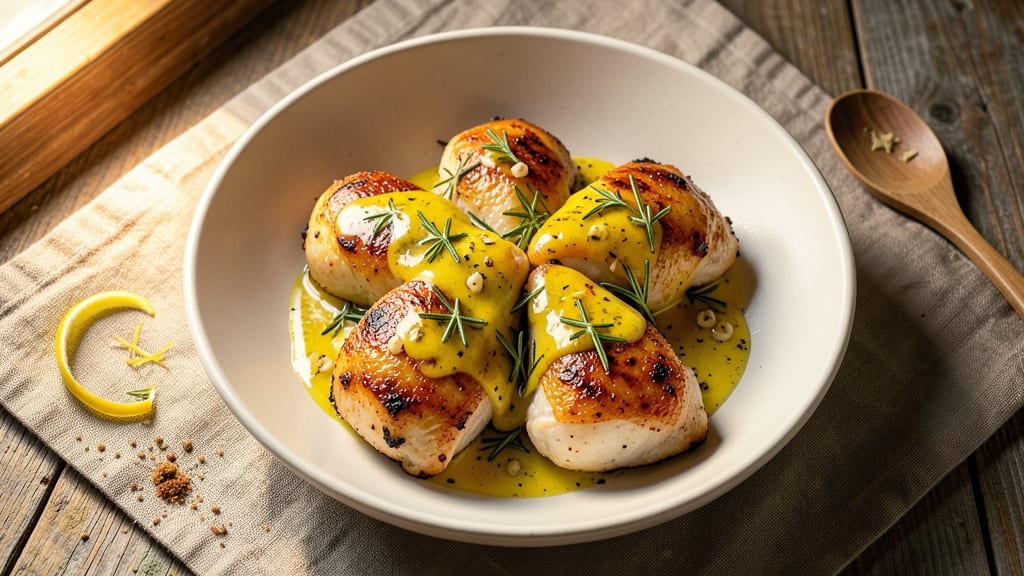
America's Test Kitchen lemon chicken recipe delivers juicy centers and a bright citrus crust that transforms ordinary chicken into something extraordinary. This method combines marinating, precise cooking techniques, and a secret ingredient that creates a caramelized crust while keeping the meat tender and flavorful.
After years of testing, I've perfected a version that rivals restaurant-quality results without requiring specialized equipment.
The foundation of this recipe lies in the marinade—a balance of lemon juice, zest, and aromatic herbs that infuse the chicken while tenderizing it just enough for perfect doneness.
What sets this apart is the cooking technique: a combination of high-heat searing followed by controlled finishing that develops that signature crispy crust. The result is chicken with a golden, caramelized exterior that's packed with citrus flavor, hiding juicy, perfectly cooked meat beneath.
What makes this recipe truly special is how versatile it is—whether you're baking, grilling, or pan-searing, the same principles apply. The lemon crust adds a bright, tangy contrast to the rich, savory chicken, creating a dish that's both elegant and approachable.
This is the kind of recipe that elevates a simple weeknight dinner into something memorable.
Pair it with roasted vegetables, a fresh salad, or your favorite sides to create a complete meal. The bright citrus notes complement a variety of flavors, making this lemon chicken a versatile centerpiece for any occasion. Here's how to achieve restaurant-quality results at home.
Ingredients for america's test kitchen lemon chicken
Precision-marinated chicken thighs with citrus-infused crust—where science meets restaurant-quality flavor.
| Ingredient | Amount | Notes |
|---|---|---|
| Boneless, Skinless Chicken Thighs 🍗 | 1 ½ lb | Trimmed of excess fat for even cooking |
| Fresh Lemon Juice 🍋 | ½ cup | From 2-3 medium lemons, freshly squeezed |
| Lemon Zest 🍋 | 1 tbsp | Finely grated from organic lemons |
| Extra-Virgin Olive Oil 🫒 | ¼ cup | Lightly fruity, not bitter |
| Garlic Cloves 🧄 | 6 cloves | Minced, fresh preferred |
| Fresh Rosemary 🌿 | ¼ cup | Finely chopped, stems removed |
| Fresh Thyme Leaves 🌿 | ¼ cup | Finely chopped, stems removed |
| Diamond Crystal Kosher Salt 🧂 | 1 ½ tsp | For seasoning and marinade |
| Ground Black Pepper 🌶️ | ½ tsp | Freshly ground, coarse grind |
| All-Purpose Flour 🌾 | ¼ cup | For dredging, sifted |
| Cornstarch 🥔 | 1 tbsp | For crispy crust development |
| Unsalted Butter 🧈 | 2 tbsp | Cold, cubed for finishing |
| Granulated Sugar 🍚 | 1 tsp | For caramelization |
The chicken thighs are the foundation—look for pieces with good marbling but not excessive fat. Local butcher shops often carry the best quality, or opt for the thickest cuts at Whole Foods for consistent results. Fresh lemons are non-negotiable here; the zest and juice need that vibrant citrus punch. For the olive oil, California avocado oil works beautifully if you prefer a neutral base, but traditional extra-virgin olive oil adds subtle fruity notes. The herbs should be vibrant green—wilting means they're past their prime. Store fresh rosemary and thyme in the fridge wrapped in damp paper towels for up to 1 week after purchase.
No fresh rosemary? Dried rosemary at one-third the amount works in a pinch, though fresh is preferred. Substitute lemon zest with lime zest for a different citrus profile, but reduce to 0.75 tbsp to maintain balance. For those avoiding gluten, omit the flour and use cornstarch or arrowroot powder instead. The butter must be cold when cubed—soft butter won't create that signature crispy crust. If you're in a hurry, Trader Joe's sells pre-minced garlic and herbs in convenient packages, though freshly minced garlic elevates the flavor significantly. The sugar is crucial for caramelization; don't skip it even if you're watching sugar intake.
Marinated chicken keeps 2-3 days in the fridge, but the flavor deepens overnight. For make-ahead convenience, prep the marinade and store it separately for up to 3 days. The flour-cornstarch mixture should be kept in an airtight container for 1 month—it's perfect for coating other proteins too. Once cooked, leftovers reheat beautifully in a 350°F oven for 10-12 minutes covered with foil. The crispy crust softens slightly when reheated, so plan to crisp it again under the broiler for 1-2 minutes if serving again.
Why You'll Love This Recipe
- No-Fuss Pan Time: I swear by this recipe because it’s actually one-pan—no basting, no flipping drama. Just sear those thighs in olive oil until golden, then toss in garlic and lemon juice. The magic happens while you’re making dinner, not before.
- Bright & Tangy Magic: That lemon zest? It’s the secret weapon—bright, citrusy, and clinging to every bite. The garlic and olive oil add richness, but the acidity cuts through it so cleanly. It’s the kind of flavor that makes you reach for seconds without even thinking.
- Weeknight & Potluck Star: Between us, this is my go-to for busy nights and when I need to bring something to a gathering. The thighs stay juicy, the sauce is effortless to throw together, and it tastes just as good cold the next day. (Yes, even on a Tuesday night.)
- Budget-Friendly Protein: Chicken thighs are forgiving and cheap—no dryness, no fuss. A couple lemons and a head of garlic stretch this recipe far, and leftovers reheat like a dream. Honestly, it’s the kind of dish that makes grocery day feel less painful.
Step-by-step instructions for juicy lemon chicken with crispy citrus crust
The secret lies in precise technique and layering flavors—here's how to achieve that signature bright crust with perfectly tender meat.
Create the Citrus Marinade and Prep the Chicken
In a medium bowl, whisk together the 0.5 cup fresh lemon juice, 1 tbsp lemon zest, 0.25 cup extra-virgin olive oil, 1.5 tsp kosher salt, and 0.5 tsp black pepper. The zest should dissolve completely, creating a vibrant yellow marinade. Add the 6 minced garlic cloves, 0.25 cup chopped rosemary, and 0.25 cup chopped thyme leaves, stirring until fully incorporated.
Pat the 1.5 lb boneless, skinless chicken thighs completely dry with paper towels—this is critical for that crisp crust. Place them in a resealable plastic bag, pour in the marinade, and massage it into the meat. Seal the bag and refrigerate for at least 4 hours (overnight works best). The acid in the lemon will tenderize the chicken while the herbs infuse deep flavor.
Build the Crispy Coating and Pan-Sear
Remove the chicken from the marinade (reserve the marinade for later) and pat dry again. In a small bowl, mix the 0.25 cup all-purpose flour with the 1 tbsp cornstarch and 1 tsp granulated sugar. The cornstarch creates a lighter, crispier crust than flour alone, while the sugar promotes caramelization.
Heat a large skillet over medium-high heat until a drop of water sizzles violently. Working in batches if needed, dredge each chicken thigh in the flour mixture, pressing gently to adhere. Shake off excess and place in the skillet. Cook undisturbed for 3-4 minutes until the coating turns a deep golden brown with crisp edges. Flip and cook another 3-4 minutes until the internal temperature reaches 160°F—the chicken will carry over to 165°F while resting.
Finish with Butter and Reserved Marinade
Remove the chicken from the skillet and transfer to a plate. Reduce heat to medium-low and add the 2 tbsp cold cubed butter to the skillet. Let it melt completely, then pour in the reserved marinade. Bring to a gentle simmer and cook for 2-3 minutes until slightly reduced and thickened.
Return the chicken to the skillet, spooning the sauce over the top. Let it cook for 1 minute to absorb the flavors. The butter adds richness while the reduced marinade creates a glossy, citrusy glaze. Serve immediately with the sauce drizzled generously over each piece—this ensures every bite delivers that bright, juicy lemon flavor throughout.
Rest and Serve for Maximum Juiciness
Transfer the chicken to a cutting board and let it rest for 5-7 minutes before serving. This resting period allows the juices to redistribute, preventing them from pooling and making the meat dry at the center. Cut each thigh into ½-inch thick slices against the grain for maximum tenderness.
The result should be chicken with a deep golden, crisp citrus crust that gives way to moist, juicy meat infused with bright lemon and herbal notes. The sauce should cling beautifully to each piece, adding another layer of flavor with every bite. Serve with roasted vegetables or a simple arugula salad to complement the dish's vibrant acidity.
Pro Tips For Making America'S Test Kitchen Lemon Chicken
- Sear the Chicken First: The recipe calls for baking, but I’ve found that a quick 2-minute sear in a screaming-hot skillet with olive oil before baking locks in flavor and guarantees crispy edges. Use half the oil you’d normally use for frying—just enough to coat the pan—and don’t overcrowd, or you’ll steam instead of brown.
- Zest Before Juicing: I used to juice the lemon first, then zest, but that leaves you with bitter pith in your zest. Instead, slice the lemon in half, zest the outer layer with a microplane, then juice—this way, you get bright, clean zest without the sour kick. (Yes, it’s a little extra work, but the difference is noticeable.)
- Don’t Overmix the Sauce: The recipe’s sauce is simple, but I’ve ruined it by blending the garlic and lemon too aggressively. A quick mash with a fork or the back of a knife keeps the texture smooth without turning it into a paste. Overblending also releases bitter compounds from the garlic—keep it rough.
- Rest the Chicken: The recipe might not mention this, but giving the chicken a solid 5-10 minutes under foil after baking (while the sauce finishes) keeps it juicy. I learned this the hard way—cutting into it too soon turns those tender thighs into dry, sad slices. (Your future self will thank you.)
Serving suggestions for leftovers
Classic Roasted Veggies
Roasted vegetables bring out the bright citrus flavors of the lemon chicken beautifully. Toss 2 cups broccoli florets, 1 lb baby potatoes (halved), and 1 red bell pepper (sliced) with 2 tbsp olive oil, 1 tsp salt, and ½ tsp black pepper.
Roast at 425°F for 25-30 minutes until caramelized. The sweetness of the roasted veggies contrasts perfectly with the tangy chicken. 🥦
Fresh Arugula Salad
A peppery arugula salad cuts through the richness of the chicken while enhancing its citrus notes. Toss 4 cups baby arugula with 2 tbsp lemon juice (from the reserved marinade), 2 tbsp olive oil, and a pinch of flaky sea salt.
Top with ¼ cup toasted pine nuts or crumbled feta cheese for added texture. Serve immediately to keep the greens crisp.
Herb Butter Couscous
For a lighter side, try herb butter couscous. Cook 1 cup Israeli couscous according to package instructions, then fluff with 2 tbsp melted butter mixed with 1 tbsp chopped parsley and ½ tsp lemon zest.
The couscous absorbs the lemon flavors from the chicken, creating a cohesive meal. Garnish with extra parsley and a sprinkle of toasted sesame seeds for crunch.
Crusty Bread & Sauce
Serve with warm, crusty bread to soak up every last drop of that citrusy pan sauce. A baguette or ciabatta roll works perfectly. For extra indulgence, offer a small bowl of the pan sauce on the side so guests can drizzle it over their chicken and bread.
The bread's crunch contrasts wonderfully with the tender chicken.
Garnish Like a Pro
Elevate your plating with simple garnishes that highlight the dish's freshness. Sprinkle each serving with extra lemon zest and fresh thyme leaves for a pop of color and aroma.
A few edible flowers (like nasturtiums) add a delicate, visual touch that feels restaurant-worthy. Keep garnishes minimal to let the chicken shine.
Wine & Beverage Pairings
Pair this bright lemon chicken with a crisp Sauvignon Blanc from New Zealand—its citrus and herbal notes complement the dish perfectly. For beer lovers, a Belgian witbier like Stella Artois offers a refreshing contrast.
Serve chilled sparkling water with lemon slices for a non-alcoholic option that enhances the citrus flavors without competing.
Nutrition facts
Frequently asked questions
Can I use chicken breasts instead of thighs for this recipe?
Chicken thighs are ideal because they stay juicy while developing that crispy crust. If you must use breasts, choose bone-in, skin-on pieces for better moisture retention. Pound them to an even ½-inch thickness and reduce cooking time to 2-3 minutes per side—they'll cook faster than thighs. The lemon marinade works beautifully with either cut, but thighs handle the citrus acid better.
What's the secret to getting that perfect crispy crust?
The crispy citrus crust comes from three key steps: dry chicken (pat completely), cornstarch flour mix (not just flour), and high heat (skillet sizzling hot). The sugar in the coating caramelizes during cooking, while the cornstarch creates a lighter, crispier texture than flour alone. Never skip the resting time—it lets the crust set properly before cutting.
Can I make this recipe ahead of time?
Marinate the chicken overnight for maximum flavor, and you can prep the flour-cornstarch mixture up to 1 month ahead. For make-ahead cooking, assemble the coated chicken and refrigerate for 1 hour before cooking (cold chicken cooks more evenly). Reheat leftovers in a 350°F oven for 10-12 minutes covered, then broil 1-2 minutes to restore crispiness.
Why does my chicken turn out dry?
Overcooking is the #1 cause of dry chicken. Always use a meat thermometer—remove thighs at 160°F internal temp (they'll reach 165°F while resting). Another common mistake is skipping the rest time—juices need 5-7 minutes to redistribute. For extra insurance, brine the chicken for 30 minutes before marinating (use ¼ cup salt per 4 cups water), which adds moisture.
What's the best way to store leftovers?
Store cooked chicken in an airtight container for up to 3 days in the fridge or 3 months in the freezer. To reheat: Place in a cold skillet over medium-low heat with 1 tbsp butter, cover for 5 minutes to steam, then uncover and crisp 1-2 minutes under the broiler. The butter helps restore moisture while recreating that golden crust.